There is a specific feeling on a Tuesday morning in San Francisco when the fog pulls back from the Painted Ladies and the city starts to hum. You see it at the corner of Hayes and Steiner: a scruffy terrier sits by his owner's side, completely bored by the clang of a passing cable car or the overhead buzz of the MUNI wires. That dog isn't just "good" by luck. That is a San Francisco dog. For anyone doing dog training in San Francisco, the goal isn't just a trophy; it's about safety and survival in a seven-by-seven-mile pressure cooker that is as loud as it is beautiful.
Living here is a privilege, but let's be honest—it's a steep learning curve for a puppy. Our sidewalks are tiny, the hills are brutal, and every neighborhood is a rotating circus of distractions. You might start a walk in the quiet Victorians of Lower Pacific Heights and end up in the aromatic chaos of the Mission. To get through it, your dog needs a specialized education. Every walk is a chance to work on SF dog training fundamentals. We aren't training for a backyard in the suburbs. We're training so you can actually enjoy a burrito on Valencia Street without your Golden Retriever trying to tackle a passing skateboarder.
The Art of the Urban Threshold
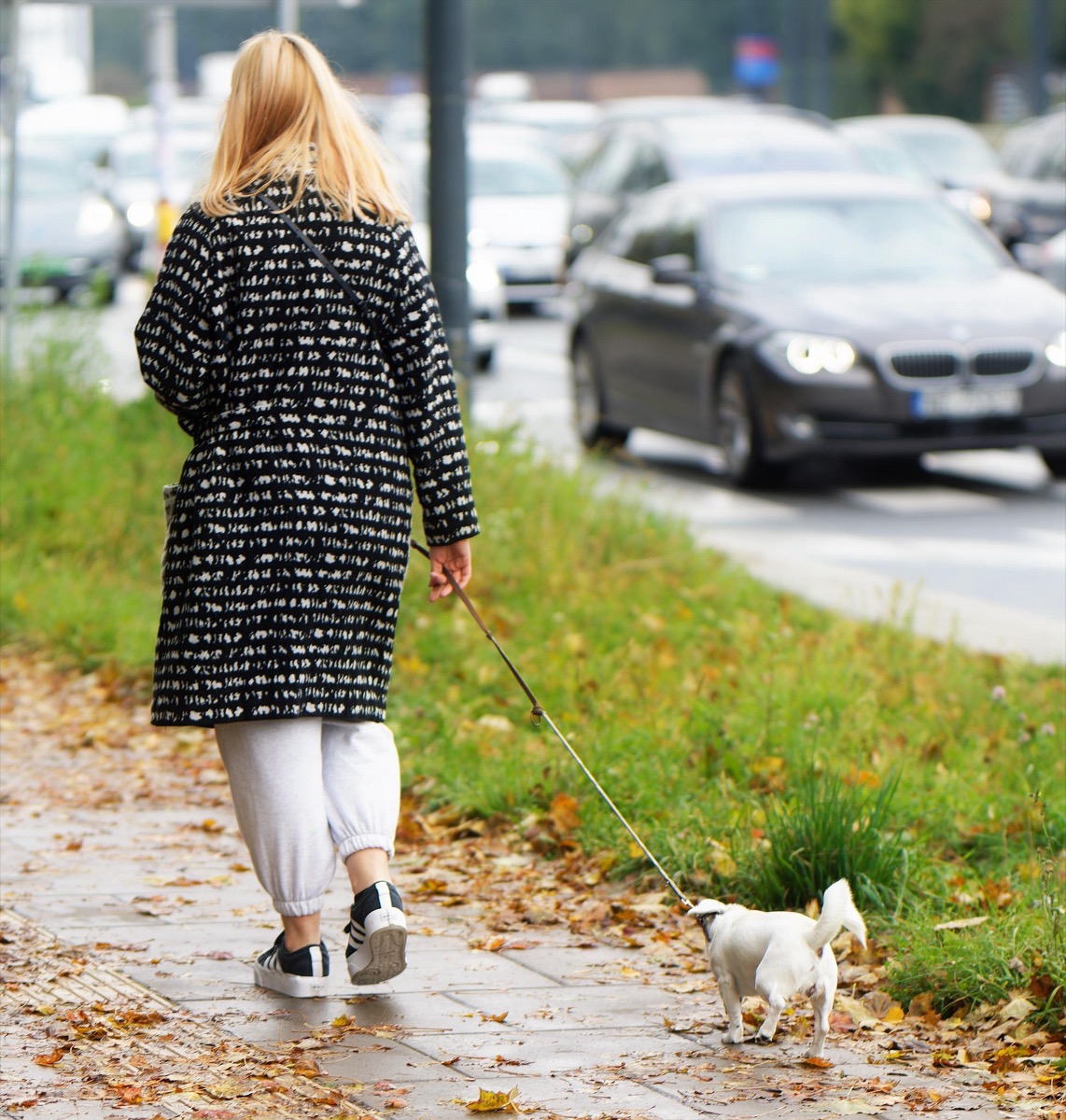
The first thing you'll learn is that the "threshold" is everything. Since most of us live in walk-up apartments or tight condos, the move from your living room to the sidewalk is high-stakes. If your dog lunges out the front door on Alamo Square, they're going to hit a tourist or a cyclist before you even lock the deadbolt. Real puppy training in San Francisco starts with the "wait" at every door. It's that intentional pause that says the world is exciting, but we enter it on a loose leash.
This habit has to carry over to the curb. In a city built on a grid, teaching a dog to automatically check in at every street corner is the most important safety skill you can own. Whether you're at the nightmare intersection of Market and Montgomery or a quiet strip in Noe Valley, that eye contact stops them from darting after a pigeon or a discarded burrito wrapper. It keeps them alive.
There's also the social contract of our sidewalks. San Francisco is crowded. Your dog is going to see another dog every few hundred feet. Urban training means teaching your dog they don't have to meet everyone. In the tight alleys of North Beach, the most valuable skill is neutrality. You want your dog to treat a passing Great Dane or a rattling delivery truck with the same level of interest a local shows a celebrity sighting: none at all.
Then, we have the hills. Training here is physical. A dog that hasn't learned to walk on a leash is a liability when you're walking down a 20-percent grade on Filbert Street. "Heel" is a different beast when gravity is trying to pull both of you to the bottom. Local dogs need to match your pace, which requires a level of core strength and body awareness that flat-land dogs never have to worry about. We're basically raising mountain goats that happen to have a preference for artisanal treats.
Finding Freedom in the Fog
The street work is the daily grind, but the parks are why we live here. We have incredible spots like the dunes of Fort Funston and hidden gems like Upper Noe. But off-leash time isn't a right; it's earned with a recall that works every single time. At Crissy Field, the Golden Gate Bridge is the view for you, but for your dog, the distractions are salt spray, kites, and joggers. If they won't come back when called, they stay on the leash. Most locals use an "emergency recall"—a specific whistle or high-value word that means "get back here right now or the fun ends."
Dolores Park is the final boss of San Francisco dog training. On a warm Saturday, it's a mess of picnickers, frisbees, and loud music. If your dog can settle on a blanket in the middle of that circus, you've made it. This isn't about being mean or suppressing their personality; it's about confidence. A dog that knows what to do in a crowd isn't stressed out. They can nap in the sun while the city vibrates around them because they know you have things handled.
Further west at Fort Funston, you deal with the cliffs. The wind is loud and hang gliders look like giant birds of prey. You need "boundary awareness" here. You want them to run and play in the sand, but they have to respect the invisible lines. It's a functional connection. When you see a pack of dogs racing across the dunes, and they all turn in unison when their owners whistle, you're seeing the result of months of work.
Social Graces and the SF Specialty
San Francisco has more dogs than kids, and it shows. We take them to the hardware store on Cortland, the breweries in the Dogpatch, and "Yappy Hour" in the Marina. This requires manners that go beyond basic obedience. We train for the "tuck"—where a dog folds under a table so they aren't a tripping hazard for the waiter. We also need a "leave it" that can handle anything from a dropped piece of avocado toast to whatever unsavory thing is sitting on a Tenderloin sidewalk. A solid "leave it" is a literal life-saver here.
We've also mostly moved past the old-school "nose-to-nose" greetings. In a city this tight, that leads to tension. Local dog culture is shifting toward "social neutrality." You and your dog should be able to walk down Chestnut Street without reacting to every other animal in the "red zone." We want dogs that are polite and respectful of space. It's a reflection of the best parts of the city's own social fabric.
Training in San Francisco is really just about building a life together. It's the confidence to hop on the N-Judah and head to Ocean Beach for a sunset run. It's knowing that when you stop to talk to a neighbor in Glen Canyon, your dog will just hang out at your feet. It takes time and a lot of patience with the fog, but once you find that rhythm, the effort is worth it. You aren't just an owner; you're a team, perfectly adapted to the beautiful, hilly, wonderful chaos of the City by the Bay.