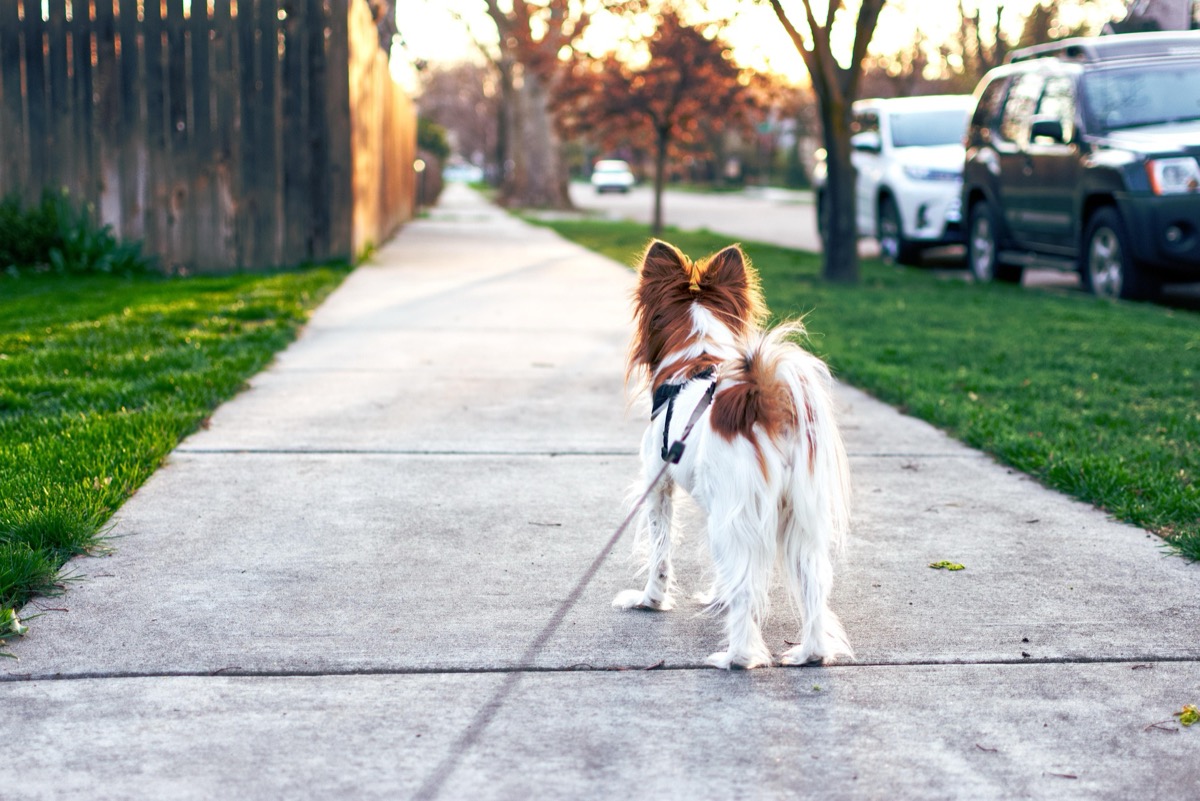
There is a specific kind of magic on a fog-drenched morning at Crissy Field when a dog stops on a dime, ignoring a Western Gull to look back at its owner. That moment of connection feels effortless to a tourist, but it represents months of communication. In San Francisco, that reliability is a necessity. Our streets are too crowded for "maybe." Getting there requires a guide who translates canine behavior into steps a busy person can actually follow. Choosing the right SF dog trainer is a huge decision, yet people often spend more time researching sourdough in North Beach than they do vetting the person handling their dog.
The dog training San Francisco scene is as messy as the neighborhoods themselves. You have high-end consultants in Pacific Heights and community classes in the Mission. Here is the kicker: the dog training industry is unregulated. Your hair stylist in Hayes Valley needs a license, but a dog trainer doesn't. Anyone can take your money and "train" your dog. The burden of due diligence is on you. You aren't just looking for someone who "likes dogs." You need a professional who understands behavior science and can actually teach you how to use it.
When you start your search, maybe while grabbing a coffee near Duboce Park, you will hear a lot of buzzwords: balanced, force-free, or LIMA. For a city dog, the best choice is almost always a trainer rooted in positive reinforcement. San Francisco is a gauntlet of triggers. Between the rattle of the N-Judah and the skateboards on steep SoMa sidewalks, fear-based training is a liability. You don't want a dog that is suppressed; you want a dog that is educated. To choose dog trainer San Francisco professionals who know their stuff, look for credentials like the CCPDT or IAABC. These certifications mean they've passed actual exams and didn't just buy a website template.
As you interview people, listen to their "philosophy." Avoid anyone promising a "quick fix" or talking about "dominance." The "alpha" theory was debunked years ago, but it still hangs around in local marketing. Imagine walking through the crowds at Union Square or a narrow trail in Glen Canyon. A dog that obeys because it fears a leash pop is a ticking time bomb. You want a dog that chooses to listen because you are the best thing in their world. Ask what happens when the dog gets it wrong. If the answer involves prong collars or "alpha rolls," walk away. A skilled SF dog trainer focuses on managing the environment and reward systems, not physical intimidation.
Geography also matters. Group classes are great for socialization, and the SF SPCA is a gold standard. But if your puppy training San Francisco journey involves a dog that lunges at delivery robots or bikes near the Panhandle, private sessions are better. A trainer who comes to your neighborhood sees the real stressors. They can walk with you to Bernal Hill or the Marina and give you coaching on the specific geometry of your daily route.
During a consultation, be the "difficult" client. Ask about liability insurance. In a litigious city like ours, professionals carry it. Ask for references from people who live in apartments, not just folks with big yards in Marin. You need a trainer who understands "micro-moments," like waiting for an elevator with another dog or navigating a packed cafe patio. These are the skills that make or break city living.
Great trainers focus on the human. There is an old joke that we don't train dogs; we train people to handle dogs. If a trainer performs "miracles" while you stand on the sidelines, be suspicious. You live with the dog 24/7. The trainer's job is to give you the mechanics and confidence to do the work yourself. They should explain the "why." If they tell you to "just show him who's boss," they are failing as a teacher. A session should feel like a workshop where you leave with clear homework.
Our city has a great network of independent trainers. Some offer "urban hiking" or "walk and train" programs for tech professionals in the Financial District. If you go this route, make sure they provide logs and "transfer sessions." Consistency is everything. If the trainer uses one set of cues and you use another, the dog ends up frustrated. People often call that "stubbornness," but it's really just a lack of clear communication.
Trust your gut. We are generally good at reading people in this city. If a trainer makes you uncomfortable, or if they handle your dog too harshly, leave. It doesn't matter how many Five-Star Yelp reviews they have. This is a member of your family. If they can't explain their methods or they dismiss your concerns about certain "tools," they aren't right for the progressive culture of the SF dog community.
Finding the right pro is an investment. It is the difference between being dragged toward a discarded burrito in the Haight and having a companion who trots happily by your side. It turns the logistical headache of a dense city into an adventure. When you find that SF dog trainer who unlocks your dog's potential, those steep hill climbs stop being chores. They become the highlights of your day.